
Car seat for a preschooler. When is it safe to switch to a 15–36 kg car seat??
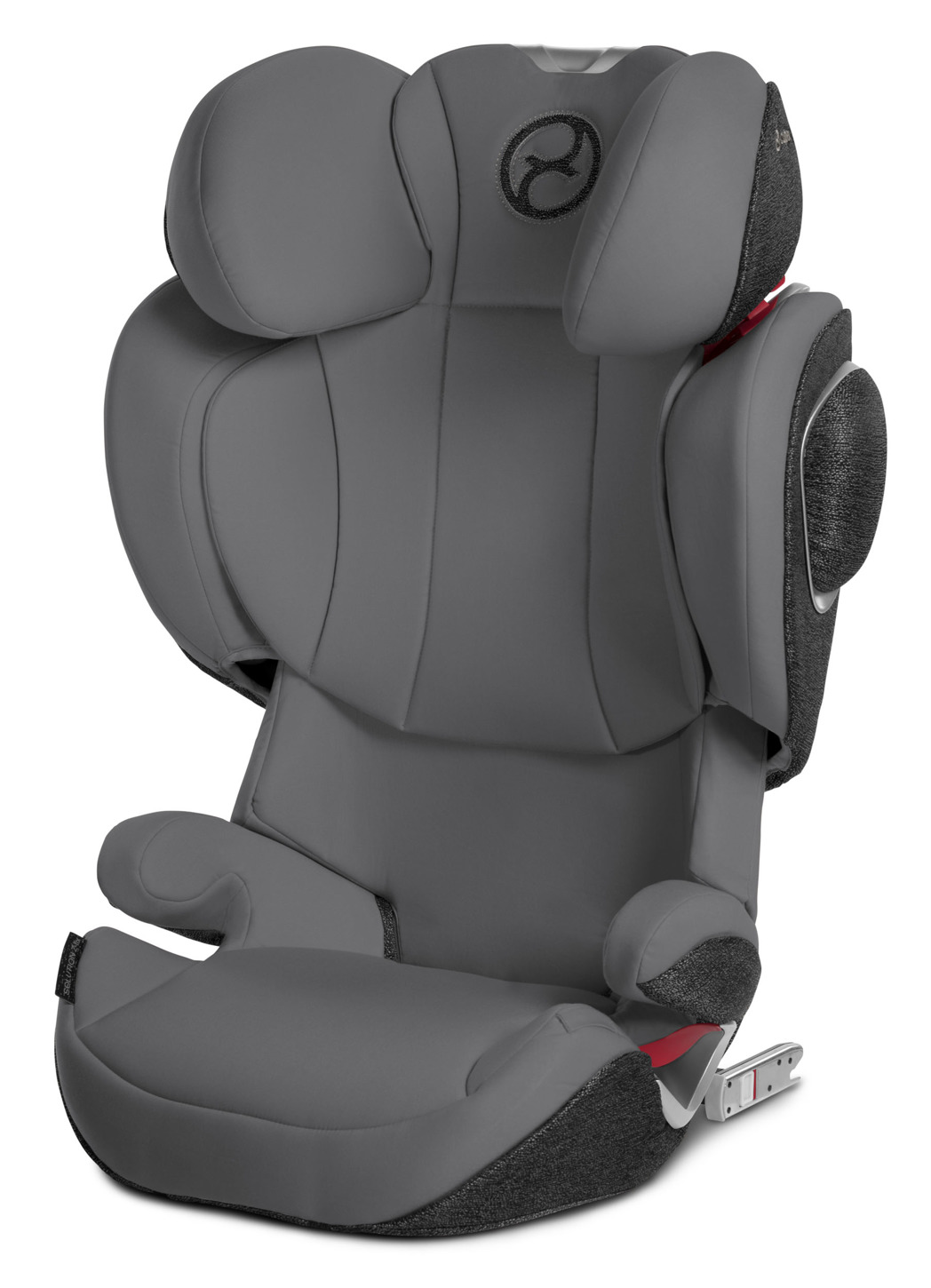
The child has reached a weight of 15 kg. The first thought that crosses many parents’ minds at that moment can be summed up as follows: “I’ll finally switch him to the car seat for older kids.”. But before you rush to the store like they did and ask for the safest 15-36 model, take a deep breath and think: how old is your little one?? Many children weigh 15 kg at around two years of age, and at that age they are too small for the so-called “last” car seat. So when is the right time to make the switch, and how can you avoid falling into the trap of thinking, “My child is already too big for a toddler car seat”?? You'll find the answer in the article below.
Wait as long as possible before moving your child to a 15-36 car seat
This statement invariably surprises parents. What do you mean, a big preschooler is supposed to ride in a 9-18 car seat, or—even worse—facing backward?? However, the laws of physics and the stages of child development are inexorable. First of all, you can’t explain to a three-year-old for more than a minute why they shouldn’t unbuckle their seat belts or lean out over the headrest. In addition, the seat belts used by adults are not designed to fit small children. And it's not just about height, but also about anatomy. A toddler's head accounts for 20% of their body weight; for you, it's only 5%. That's quite a difference, isn't it?? In the event of an accident, the head lurches forward. Children also do not have fully developed hip bones, which keep the belt in place and prevent it from sliding down onto the abdomen (and such a shift could result in serious internal injuries). At least up to 4. Children aged one year should therefore ride in a five-point harness, which is contoured to fit the child's body and will keep the child secure in the event of braking or a collision.
What if my child is 3 years old and weighs 18 kilograms??
Situations like this happen quite often. Out of every four children, at least one will reach the above weight before turning 4. Even if you buy the best Cybex car seat or a Takata car seat in the 15–36 kg weight class—it doesn't change the fact that he should wait until the child is a little older. If you're a proponent of keeping little ones in rear-facing car seats for as long as possible, you might want to invest in a rear-facing car seat up to 25 kg. This solution turns out to be safer than buying a forward-facing car seat—remember the part about the weight of a child’s head. In the case of an FWF (forward-facing) car seat, during a collision or when braking the child moves forward due to inertia, placing enormous strain on the cervical vertebrae. In the RWF, she is pressed against the back of the car seat, and the seat itself absorbs the forces acting on her. If we've convinced you to buy a rear-facing model, we invite you to visit our 3 Kiwi store. You'll also find FWF car seats for older children that have received high ratings in independent crash tests.