
The Most Common Myths About RWF Car Seats. How to Convince Skeptics to Use Rear-Facing Car Seats?
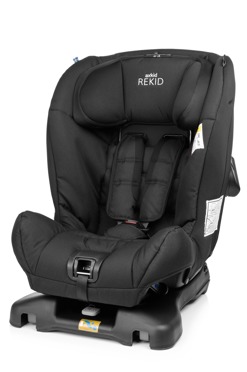
Parents are bursting with pride as their child grows up and becomes more independent. First meal, first step, first word, first ride in the stroller, switching to a forward-facing car seat... In a moment. A Moment. Stop. A baby who is 6–7 months old and can sit up is not yet ready for this model. According to experts, children should ride facing the opposite direction of travel, preferably until age 4. year of life. And this is where the parade of myths that have grown up around the RWF car seat begins. How parents explain their reluctance to put their little ones in rear-facing car seats? See for yourself!
Myth 1: “A child can’t see anything in a car seat like that”
An adult usually sits behind the wheel or in the passenger seat—in short, in the front. So he has a huge window in front of him and virtually unlimited visibility. Now try imagining yourself sitting in the front seat for a moment. What do you see?? Just... the armchair and the side windows, with the landscape rushing by outside them. Let's keep experimenting: get back behind the wheel and try turning your back to the direction of travel. Of course you'll only see the back of the chair. Next, go back to the rear seat and, to enhance the effect, remove the headrests from it. You'll get a panoramic view through the rear window and access to the side windows.
Myth 2: “You can’t see the baby”
There are special headrest-mounted mirrors, that will help you maintain eye contact with your little one. Parents also mention that it's easier to give a child a pacifier, a drink, or a snack in a forward-facing car seat. Well, this myth can also be debunked: RWF car seats , Unlike the FWF, they have a headrest close to the front seat. So you don't have to look very far, so that the pacifier can be returned to its owner. And the argument about snacks? Well—drinking and eating while driving is dangerous, so it's better to give your child food and drink during stops, or at least pull over to the side of the road.
Myth 3: “Where should a child keep their legs?”?”
The experiences of parents and children using RWF car seats show that their users are doing very well. They sit cross-legged, rest their legs on the back of the chair, and come up with thousands of comfortable positions. In a forward-facing car seat, the child's legs can only dangle and... to go numb, like adults do after sitting on a tall kitchen stool for a long time.
Myth 4: “My child doesn’t like riding in the back seat”
This is the most common argument against RWF car seats. It is based primarily on experiences with using a 0-13 car seat. A child who was fussing during the ride calms down after being moved to a forward-facing car seat as if by magic. Based on this, the parents conclude that the toddler prefers to ride facing forward. But how is he supposed to consciously choose this way of traveling when he's been riding facing backward since birth and doesn't know any other way?? The problem lies in the seating position in the 0-13 car seat. A child who is curious about the world doesn't want to stare at the headliner, so he or she loudly expresses his or her dissatisfaction. In the next car seat he sits more upright and can watch the world outside the window. The direction of travel doesn't matter at all here.
What Can Be Done Now That the Myths About the RWF Have Been Debunked? Of course, direct those who are convinced to our 3 Kiwi store, where they’ll find safe car seats for their children.