


- The Doidy Cup is designed to help children skip the stage of using a sippy cup

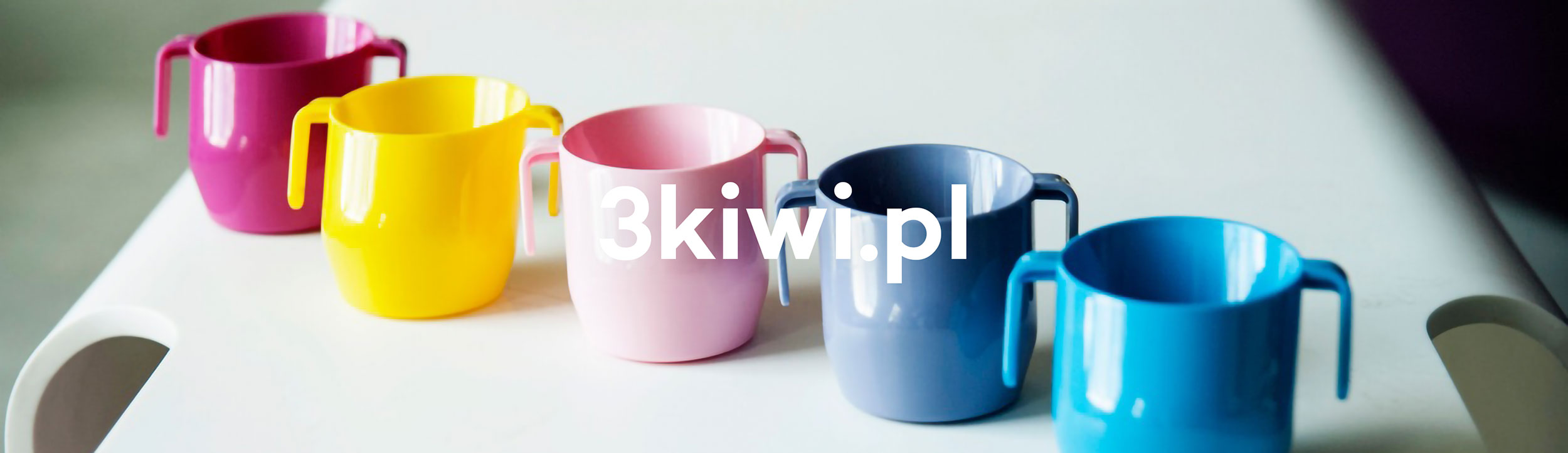
The unique Doidy Cup, whose secret lies in its well-designed shape that makes it easier for little ones to drink without having to use a baby bottle.
The Doidy Cup is designed to skip the stage of using a sippy cup, during which a toddler uses it without thinking and spills the liquid. The Doidy Cup's design encourages toddlers to practice drinking the way adults do, while preventing spills.
The Doida mug was designed in 1950 by British draftsman Tom Pickering. The prototype of the “crooked” cup was created for the designer’s son’s home use; his pediatrician had observed a problem related to abnormal speech development. During a visit to a specialist clinic, the speech-language pathologist recommended immediately stopping bottle feeding and undergoing speech therapy to learn how to drink from an open cup.
Since the cups and glasses turned out to be too big and uncomfortable for the boy, his father, Tom Pickering, decided to design a mug himself. That’s how Doidy came to be—a handy, lightweight cup with a distinctive slanted design that allows the child to see the contents of the cup and eliminates the need to tilt their head back too far while drinking, and as they drink, they exercise the important facial muscles and organs needed for the proper articulation of their first words.3 months +
Drinking from the Doidy Cup requires the same natural jaw movements as suckling at the mother's breast. Thanks to its unique properties, the Doidy Cup can be used in two ways:
- for feeding the baby breast milk—using a cup in this case does not disrupt the baby's sucking pattern.
- for feeding a baby after weaning
In both cases, using a bottle becomes completely unnecessary.
6 months and up
Babies who have been breastfed or bottle-fed so far can be slowly introduced to drinking on their own from the Doidy Cup once they reach about 6 months of age. Developing the habit of drinking from a cup will allow for a stress-free transition away from the bottle (for infants who are bottle-fed) and eliminate the need to learn how to drink from so-called "non-spill cups".
12 months and older
One-year-olds are increasingly taking the initiative. Drinking completely on their own from a cup is one of those skills that little ones are especially proud of. Given that pediatricians recommend completely weaning a child off the bottle after the age of one, drinking from the Doidy Cup is an added benefit. The Doidy Cup is also useful for older children and adults—when traveling, when you're sick and have to stay in bed, and also in the hospital.
When drinking from a Doidy Cup, a child:
- can decide for itself how much and how often to drink,
- Thanks to the cup's tapered shape, she can see its contents and doesn't have to tilt her head back too far,
- It allows the baby to learn to feed naturally by using the same jaw movements as when breastfeeding,
- is learning to drink from an open cup and to set it down,
- It exercises the muscles of the jaw, face, and tongue—which has a positive effect on the proper development of speech and chewing skills,
- avoid problems resulting from the use of a bottle or a so-called “non-spill cup” (this refers in particular to prolonged sucking on a bottle nipple or non-spill cup spout, e.g., after falling asleep), which can contribute to the development of tooth decay, anemia, malnutrition, problems with proper speech, and the development of poor eating habits.
How to Help Your Child Learn to Drink on Their Own?
- When drinking from a cup, a child should be able to control the pace at which they drink on their own. It is therefore a good idea to pour a small amount of the beverage into a cup.
- Hold the cup from the bottom, rest the rim of the cup lightly against your child's lower lip, and tilt it slightly so that your child can drink exactly as much as they want.
- If a child spills a drink while drinking, this should be viewed as a normal part of the learning process. Therefore, when first learning to use the cup, we recommend pouring only small amounts of liquid into the Doidy Cup and refilling it as needed.
- Children get used to drinking from the Doidy Cup very quickly, and at 6 months of age they begin their first attempts at drinking on their own.
Hygiene and Care for the Doidy Cup
- Before using the cup for the first time, wash it thoroughly with warm water and a small amount of soap or dish soap.
- The Doidy Cup can be sterilized (using cold sterilization, by boiling, in the microwave, or in a professional sterilizer) and is also dishwasher-safe.
- When traveling or out for a walk, it’s a good idea to store the cup in the original zippered pouch that comes with the Doidy Cup, and keep drinks in screw-top bottles—this will allow you to pour just the right amount of drink into the cup as needed.
Safety
- When drinking from a Doidy Cup, the child should always be supervised by an adult.
- Drinks served to a child in a cup should be at the right temperature—not too hot, not too cold.
- Do not heat beverages in the Doidy Cup in the microwave.
0% BPA
The Doidy Cup is manufactured in the European Union from polyethylene that does not contain bisphenol A or PVC—substances that are hazardous to health—and is safe for contact with food. The Doidy Cup complies with the EN 14350 standard.
Manufacturer
The Doidy Cup is manufactured by the British company Bickiepegs. Doidy is a registered trademark.
Capacity: 200 ml

 Quick and convenient financing for major online purchases